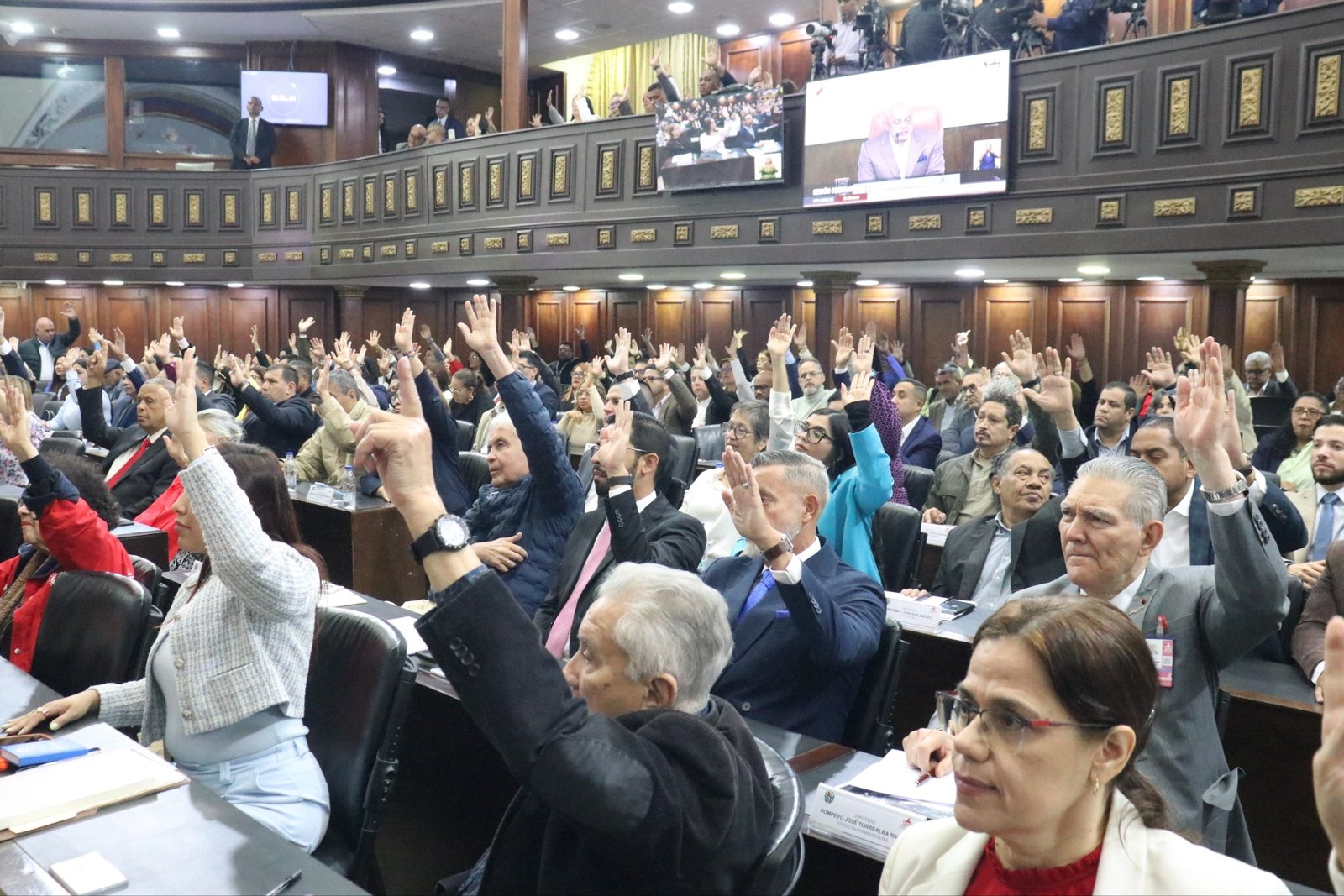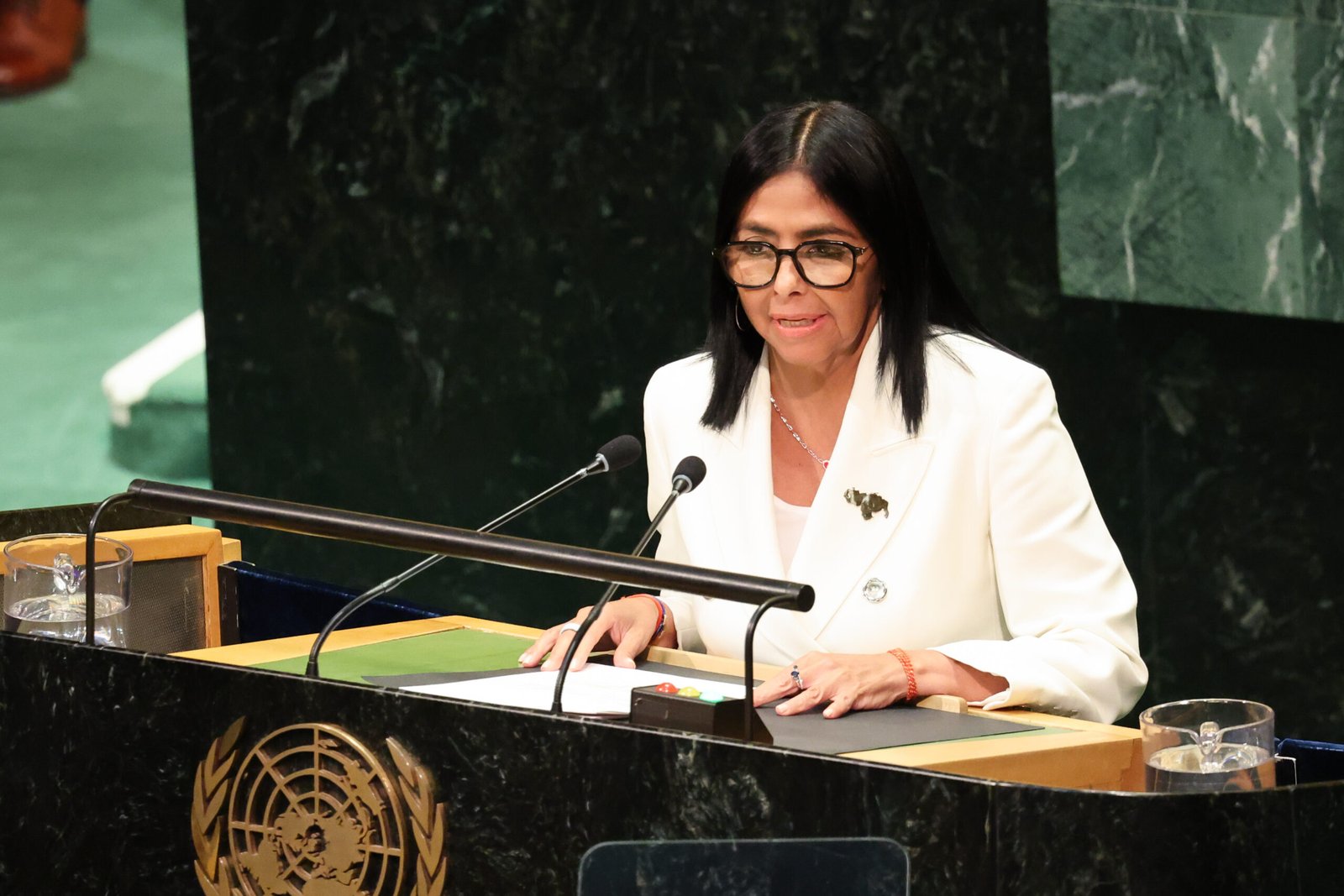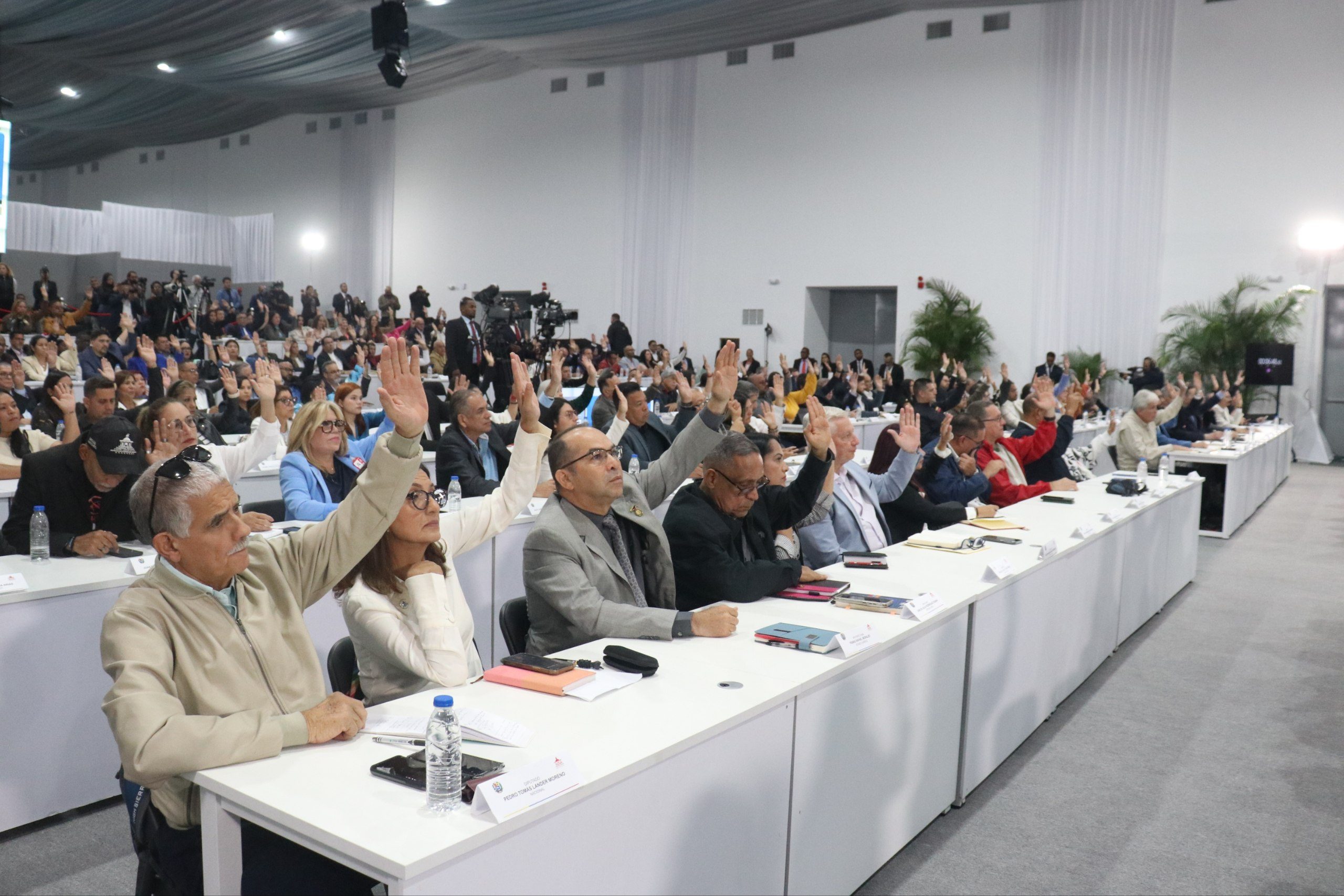
Framed within the “Venezuela Reborn” plan, the Government not only seeks to raise buildings but also to promote a modern legal framework that allows the country to effectively recover from the tragedy. Image: National Assembly Web
Guacamaya, July 19, 2026. Venezuela’s housing reality has suffered a drastic blow following the double earthquake on June 24, classified as the worst catastrophe in the country in the last century. In response to this contingency, which has left a toll of 5,119 deceased and thousands of homes reduced to rubble, the National Assembly has approved in first discussion two critical legal reforms that seek not only to rebuild but also to transform the structure of the national real estate market.
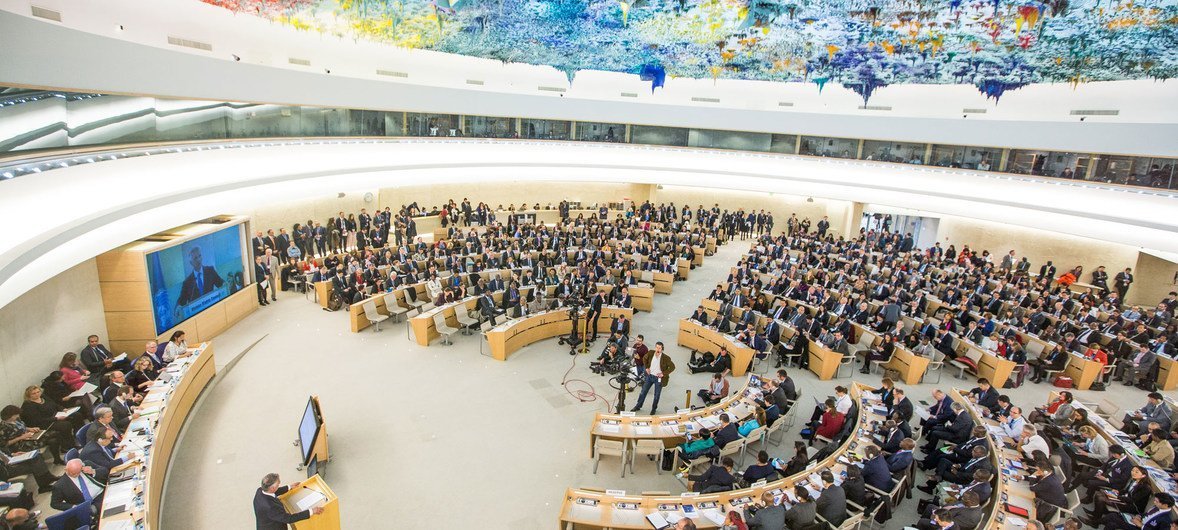
The impact of the earthquakes even forced Parliament to convene in an alternate venue, the La Carlota Convention Center, due to structural damage to the Federal Legislative Palace. According to the First Vice President of the Assembly, Deputy Pedro Infante (PSUV), the initial effort focused on three strategic phases: search and rescue —which managed to save 6,462 people—, humanitarian assistance, and the current one, reconstruction and adaptation under the “Venezuela Reborn Plan.”
Currently, at least 21,470 Venezuelans remain in temporary camps and 17,907 are homeless, while definitive solutions are being activated. In this scenario, Deputy Grecia Colmenares (PSUV) stressed: “We have mourned irreparable losses… this natural catastrophe touched the deep soul of Venezuelans.” For his part, Deputy Tomás Guanipa emphasized the need for reconstruction resources to be managed with “transparency and real oversight.”
Reform to the Law against Real Estate Fraud: Flexibility to Build
The proposed reform seeks to “unblock critical bottlenecks” that, according to the proponents, suffocated the financial viability of construction projects. The main new features include:
- Freedom of prices and deadlines: The rigidly fixed price scheme is eliminated to allow stabilization mechanisms based on actual market fluctuations in materials. Likewise, the 24-month limit for completing works is suppressed, leaving the schedule to mutual agreement between the parties.
- Rescission for non-payment: To protect the constructor’s cash flow, direct rescission of the contract is authorized if the buyer incurs sixty consecutive days of non-payment, eliminating the previous 90-day wait and slow administrative procedures.
- Reactivating bank credit: The joint liability of banking institutions in projects is suppressed, in order to encourage banking to return as a facilitating agent of resources without disproportionate regulatory risks.
Deputy Rigel Sergent explained that the objective is for the private sector to have “more flexible access to financing” in order to accelerate the supply of safe roofs.
Law on the Special Leasing Regime: A Market for the Youth
This new legal framework is designed to attract private investment and formalize housing rentals, especially for young people and workers who currently see their emancipation and independence limited. The Law will only apply to new contracts signed after its effective date, maintaining previous agreements under the 2011 regulations and avoiding violating already consolidated situations. Among the new features are:
- Indexed rents and guarantees: Autonomy is allowed to agree on the rent and its indexation according to the Consumer Price Index (CPI). In addition, security deposits or insurance policies of up to three months are authorized, with the obligation to refund them within 15 days after the contract ends.
- Dejudicialization of conflicts: Mediation and commercial arbitration are promoted as expeditious channels to resolve disputes, seeking to alleviate the burden on the ordinary justice system.
- Strict habitability: Renting in high-risk areas or precarious structures is formally prohibited, a measure considered vital after the recent seismic events.
Why is it important to make progress on real estate matters now?
The advancement of these reforms is imperative not only because of the humanitarian emergency generated by the earthquakes, but also because of the need to restore technical and financial confidence to the real estate sector. The rigidity of previous laws, although it sought to protect the user, ended up contracting the housing supply at a time when the country needs it most.
Faced with a contingency that has destroyed thousands of homes, the State cannot be the sole builder; it needs a dynamic private sector and a formalized rental market. As Deputy José Gregorio Correa (AD) pointed out, the current challenge is to “become stronger” and legislate so that each affected family moves from the vulnerability of a camp to the safety of their own or rented home “under clear and fair rules.”