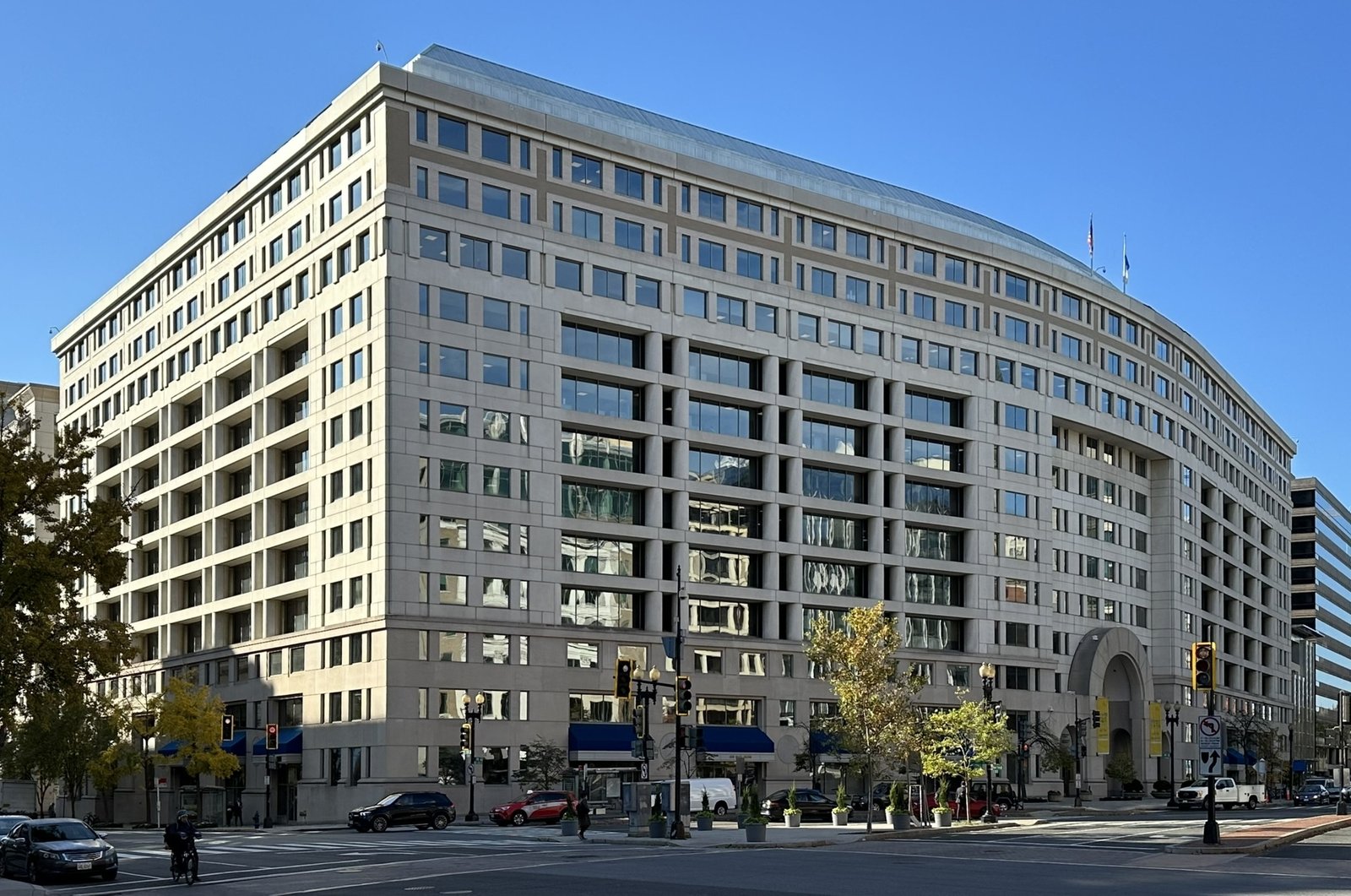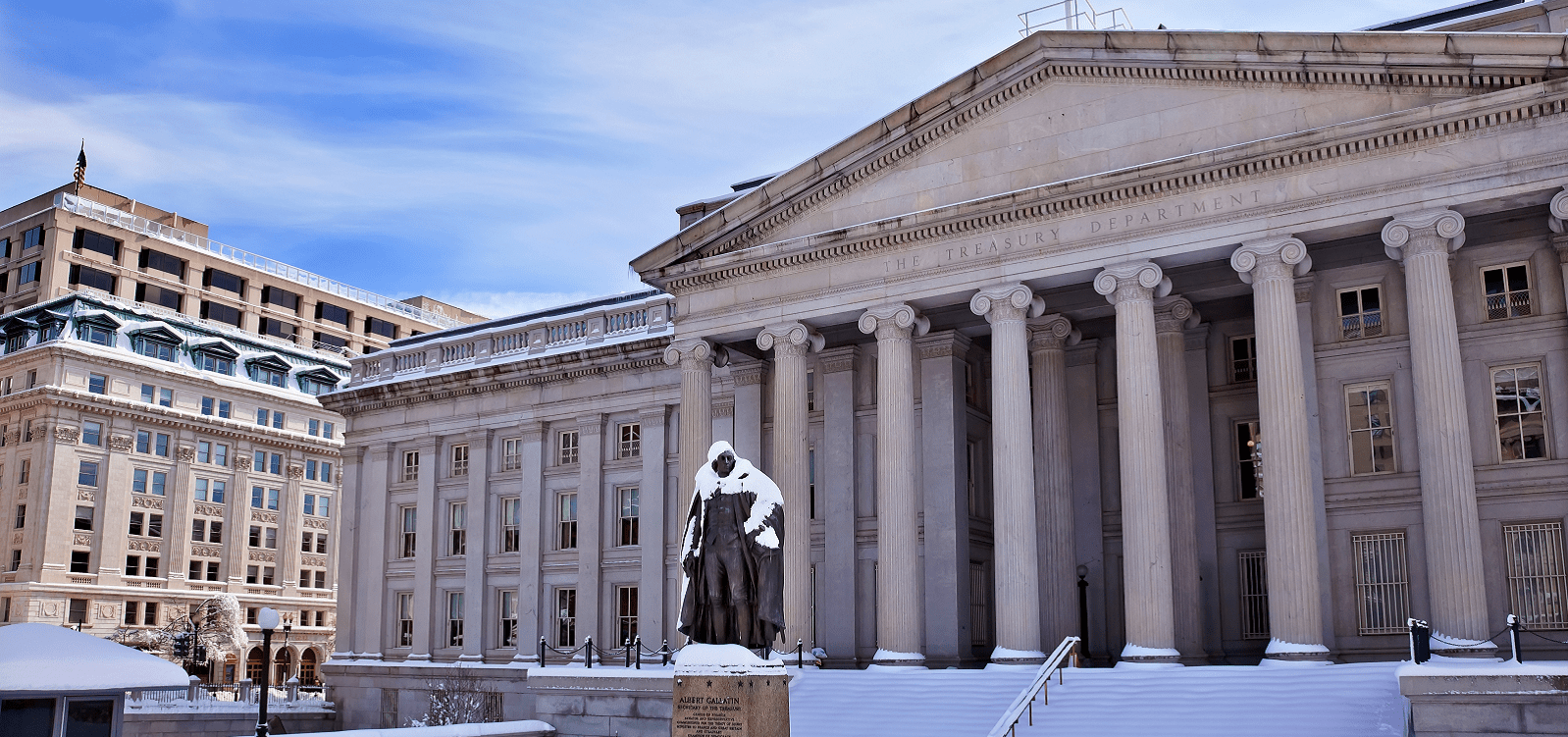
The Office of Foreign Assets Control (OFAC) of the U.S. Department of the Treasury maintains a sanctions and general licenses regime on Venezuela’s oil and mining industries, as well as on its public finances. Photo: U.S. Department of the Treasury.
Guacamaya, June 10, 2026. The Office of Foreign Assets Control (OFAC) on Wednesday modified seven general licenses it had issued regarding hydrocarbons and mining in Venezuela, in order to clarify and resolve frictions with local legislation.
After January 3, the Trump administration has introduced a multitude of general licenses to open up investment and trade with PDVSA, Minerven—now absorbed by the Venezuelan Mining Corporation, or CVM—and their subsidiaries.
In its latest action, it modifies licenses 46, 47, 48, 50, 51, 52, and 54 with new nuances, focusing on governing law and dispute resolution mechanisms, which previously channeled all these aspects toward U.S. jurisdiction.
The progress in OFAC authorizations has moved almost in tandem with the reforms of the National Assembly. They radically change the regulatory landscape by opening up much greater spaces for private capital, particularly in two industries key to Venezuela: hydrocarbons and mining.
Initially, the licenses required that contracts with state companies, such as PDVSA and Minerven, must be governed by U.S. laws. The latest modifications clarify that Venezuelan law will always apply to contracts regarding activities carried out within the country, while U.S. law applies to contractual provisions.
Regarding dispute resolution, the initial licenses stipulated that any resolution of disputes over oil and mining contracts should take place in the United States. Now, the jurisdictions of the United Kingdom, France, and Singapore are also included.
This does not represent greater freedom for PDVSA or the Venezuelan state, nor a relaxation of sanctions. It is the result of putting the new licensing framework to the test, which has led to several nuances and clarifications.
OFAC also updated its “Frequently Asked Questions,” addressing both these changes and General License 30B, which confirms that private and commercial flights can receive services in Venezuela without violating sanctions.
Contradictions remain between the sanctions framework and Venezuelan legislation, which will need to be resolved through reforms on either side, while convergent and opposing interests exist.
Both seek to increase investments in oil and mining, but while Washington prioritizes control over foreign currency flows through licenses, Caracas focuses on maintaining the greatest degree of power over the nation’s natural resources.