While the number of beneficiaries recorded barely exceeds 10% of the 300 announced, human rights organizations denounce the measure as insufficient and discretionary. Image: Guacamaya
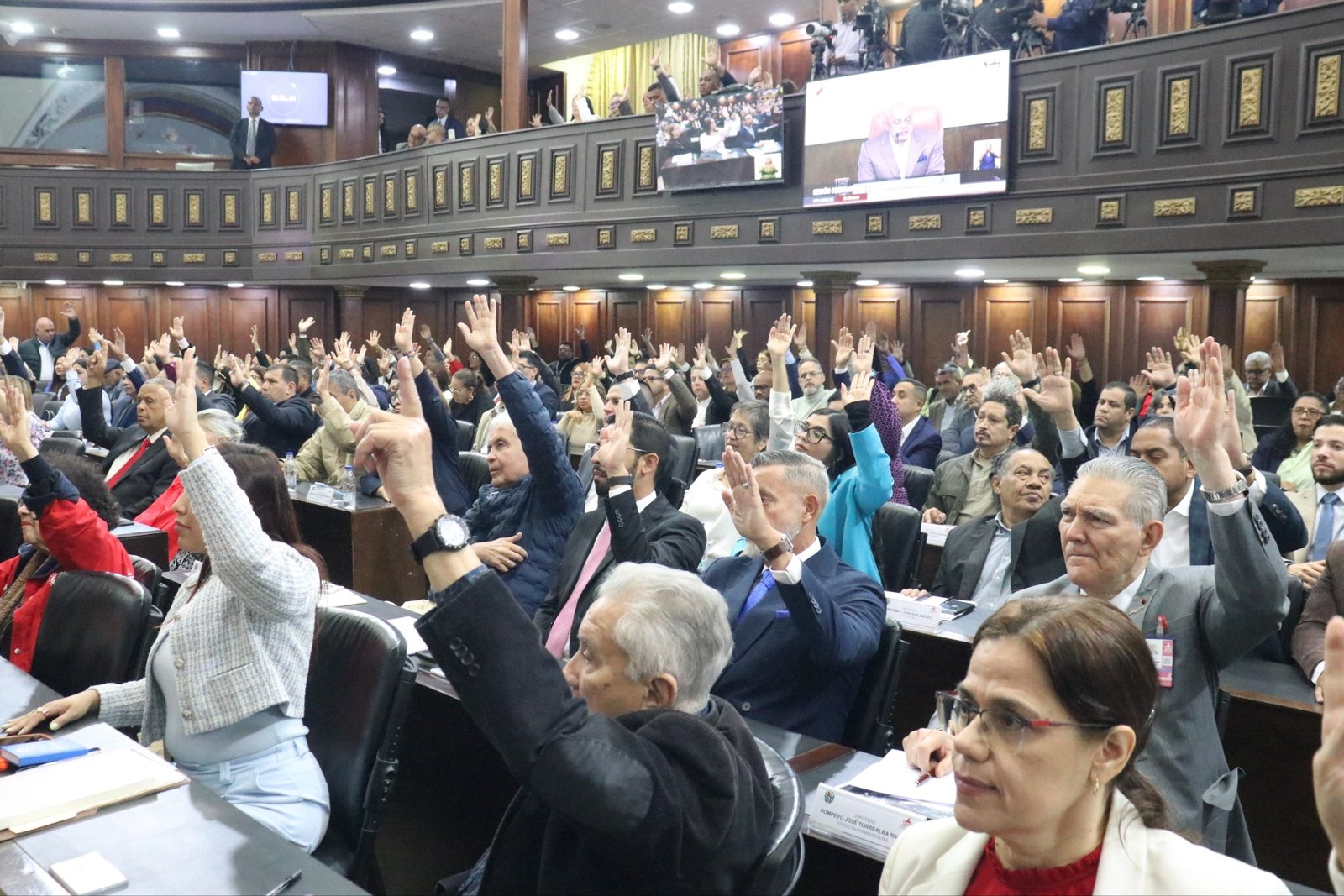
Guacamaya, May 22, 2026. The President of the National Assembly, Jorge Rodríguez, recently announced the release of 300 people on humanitarian grounds. The measure, which is progressing amid tensions between the official narrative and the demands of civil organizations, also marks a transition from the framework of the Amnesty Law towards a system of procedural benefits managed directly by the Executive Branch.
While the government presents the measures as “gestures” of a humanitarian nature, the geopolitical context suggests a direct response to external pressure and the change of command brought about by the US intervention. Meanwhile, human rights organizations denounce that this is a discretionary management of freedom that still leaves hundreds behind bars.
It is worth noting that this process occurs just one week after the President of the United States, Donald Trump, stated that his government would ensure the release of all political prisoners in Venezuela. “We are going to get them all out. They have already released many political prisoners, and the rest will also be freed,” he declared on May 12 before an official trip to China.
While this external pressure has marked the progress of the political agenda, one of the focal points of the conflict remains the internal transition of the Venezuelan justice system. Likewise, the demand from human rights organizations to accelerate and expand releases, which have been partial and staggered, has also made itself felt.
The balance of the first 72 hours
The NGO Foro Penal, an organization that provides assistance to arbitrarily detained persons, had only been able to confirm 38 releases as of the morning of Thursday, May 21. Thus, the gap between the announcement and reality remains wide, despite the fact that the President of Parliament had initially set this Friday as the deadline to carry out all the releases.
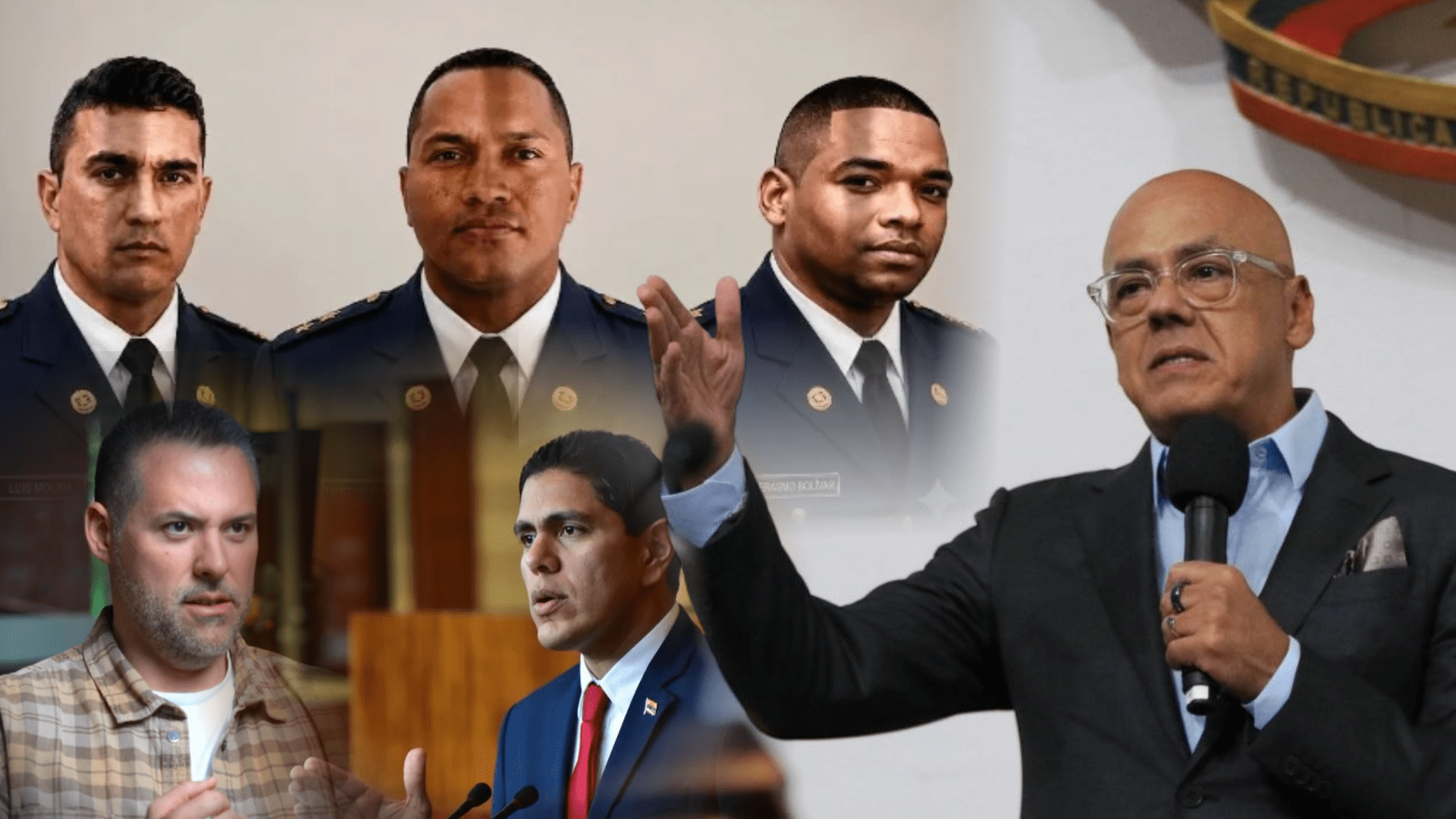
Among those already released, three officials from the defunct Metropolitan Police stand out: Erasmo Bolívar, Héctor Rovaín, and Luis Molina. They remained detained for 23 years after being convicted for the events of April 2002. This release is seen as having the greatest historical and symbolic weight, as they are considered the oldest political prisoners of Chavismo and central figures in the official narrative about the so-called “coup d’état.”
Nevertheless, although Jorge Rodríguez also spoke of 300 people to be benefited by the pardon, human rights organizations denounce that the problem is larger and the measure is insufficient. Foro Penal recorded 457 people detained for political reasons as of May 4, while Justicia, Encuentro y Perdón, at the time of the announcement, reported that there were 654.
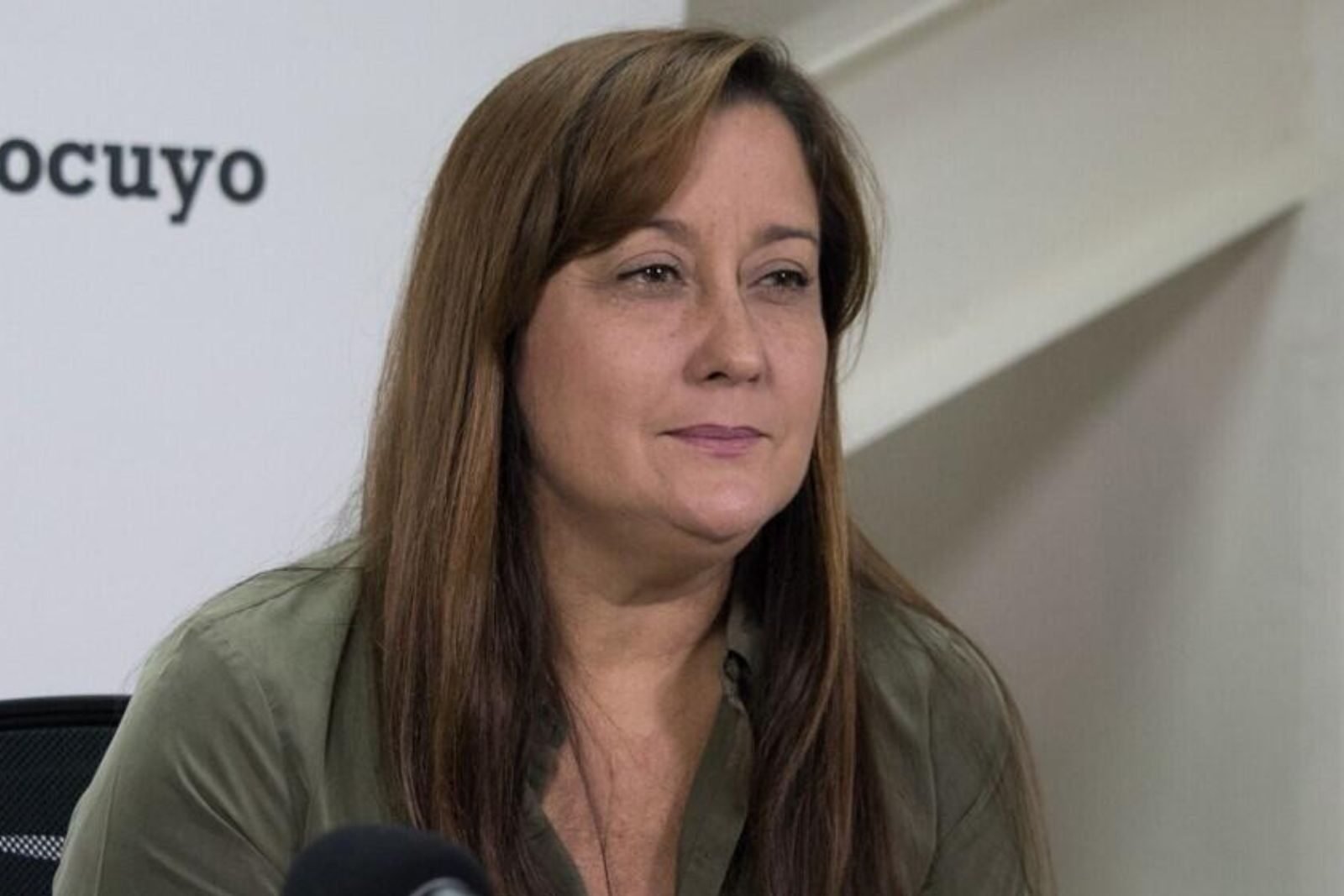
The director of Foro Penal, Alfredo Romero, also rejected that the release measures be labeled as “gestures” rather than a “state obligation.” Likewise, Justicia, Encuentro y Perdón denounced that the announced measure ignores more than 200 imprisoned military personnel. The truth is that the Government has not issued a complete public list, so the real scope of its own announcement is unknown.
The end of the Amnesty Law and returns from exile
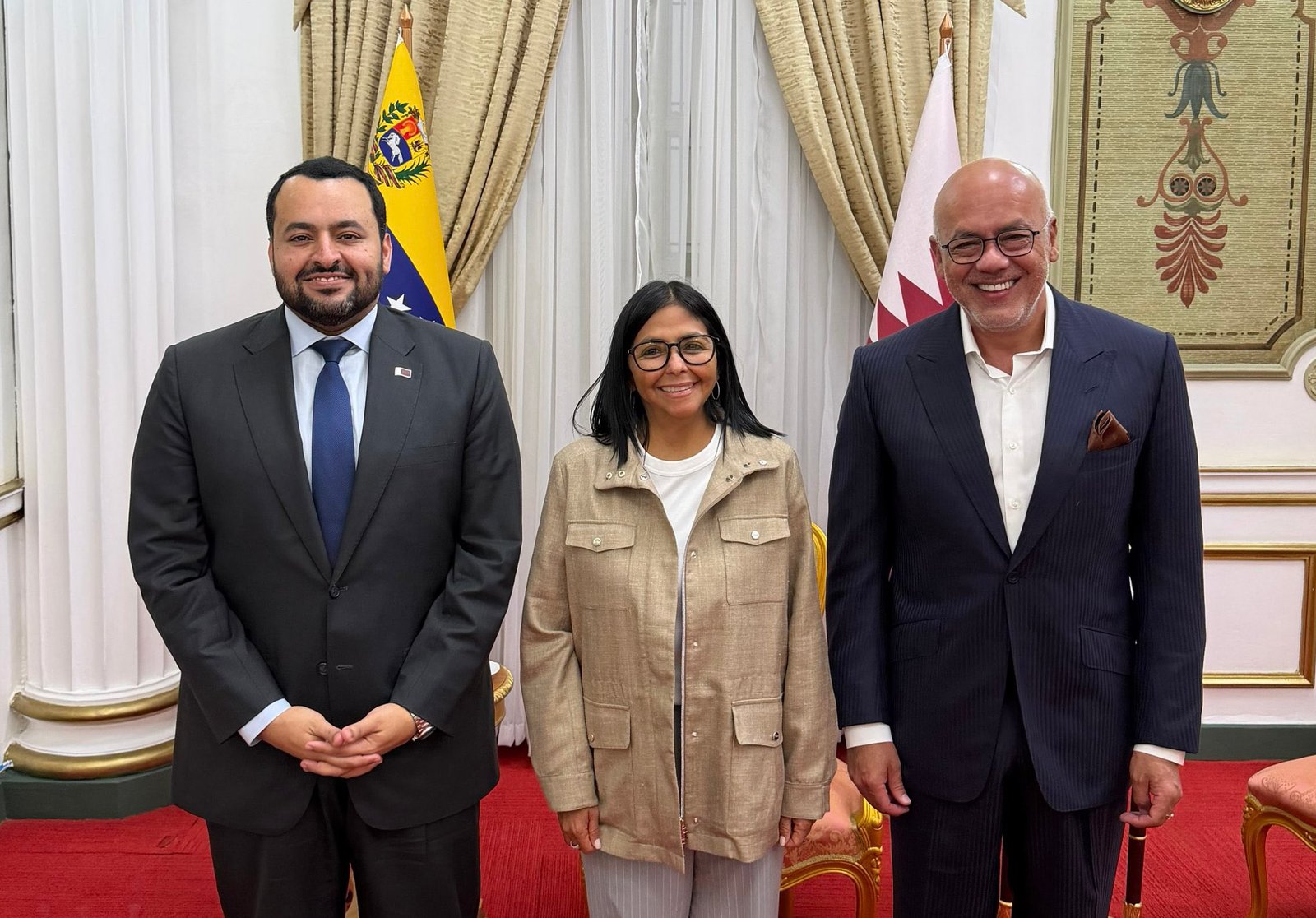
Vice President Delcy Rodríguez announced weeks ago that the Amnesty Law “had come to an end” after having benefited more than 8,600 people, according to official figures. This “cessation” of the Law is fundamental, as it shifts the axis of releases from a general legal mandate towards a scheme of “clemency measures” or selective pardons decided from the highest echelons of power.
Within this new context of “distension,” the return of opposition figures from exile has been recorded. Yon Goicoechea returned on May 8 after six years outside the country, while Lester Toledo returned to Caracas on May 21 after a decade, despite previous accusations of terrorism, in order to obtain a judicial response to his request for amnesty.
The shadow of Víctor Quero and international pressure
The progress of releases occurs at a time of strong institutional scrutiny due to the death in custody of political prisoner Víctor Hugo Quero Navas. Faced with complaints of prior forced disappearance and the death of his mother, Carmen Navas, shortly after her son’s death was confirmed, both Delcy Rodríguez and the National Assembly have ordered a “rigorous” investigation.
Similarly, the Ombudsman’s Office joined the demand for transparency, describing the fact as “evidence of the need for profound reforms to eradicate abuses.” Meanwhile, the Public Prosecutor’s Office assigned the case to the National 80th Prosecutor’s Office with competence in human rights, with the mandate to carry out “timely and impartial” proceedings.
In parallel, international pressure has intensified. This week, the Senior Director of Research, Advocacy, and Campaigns for Amnesty International, Erika Guevara Rosas, met with the Attorney General, Larry Devoe, to demand the “cessation of arbitrary detentions” and the “dismantling of the repressive apparatus.” Although Devoe invited the organization to participate in the consultation on judicial reform, the NGO remains cautious.
The debate between justice and political concessions
Analysis of the facts suggests that the Venezuelan Government is not closing the conflict but reordering it. By declaring the end of the Amnesty Law and activating selective pardons, the government seeks to politically appropriate the merit of the releases, presenting them as a gesture of sovereign peace rather than a response to internal or external pressure.
Ultimately, given the new political moment, the justice system seems to continue acting more as an instrument for formalizing decisions made by the Executive Branch than as an autonomous actor. Thus, the National Government maintains control over who gets out and under what narrative they are granted freedom, against a backdrop of recent criticism and demands from various fronts.