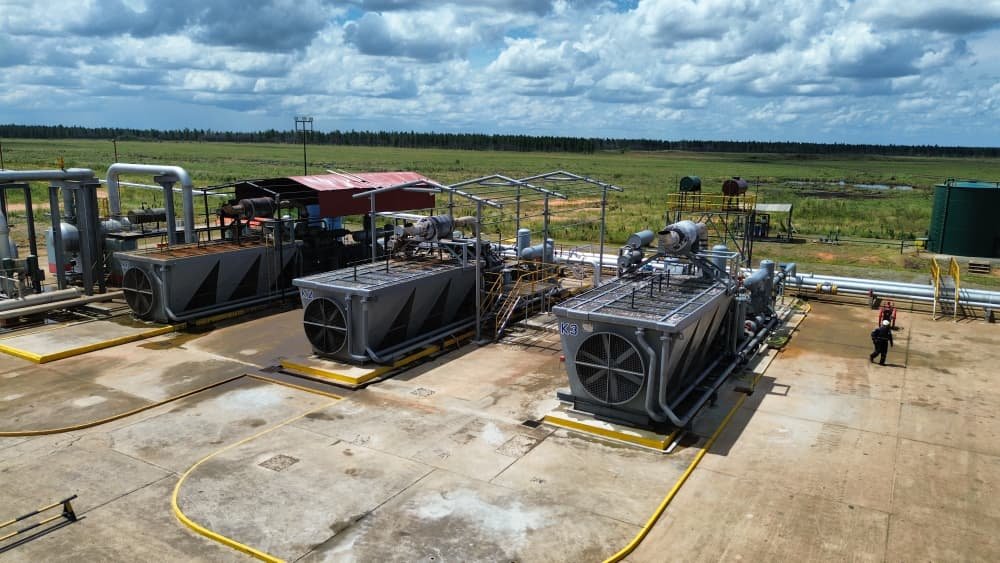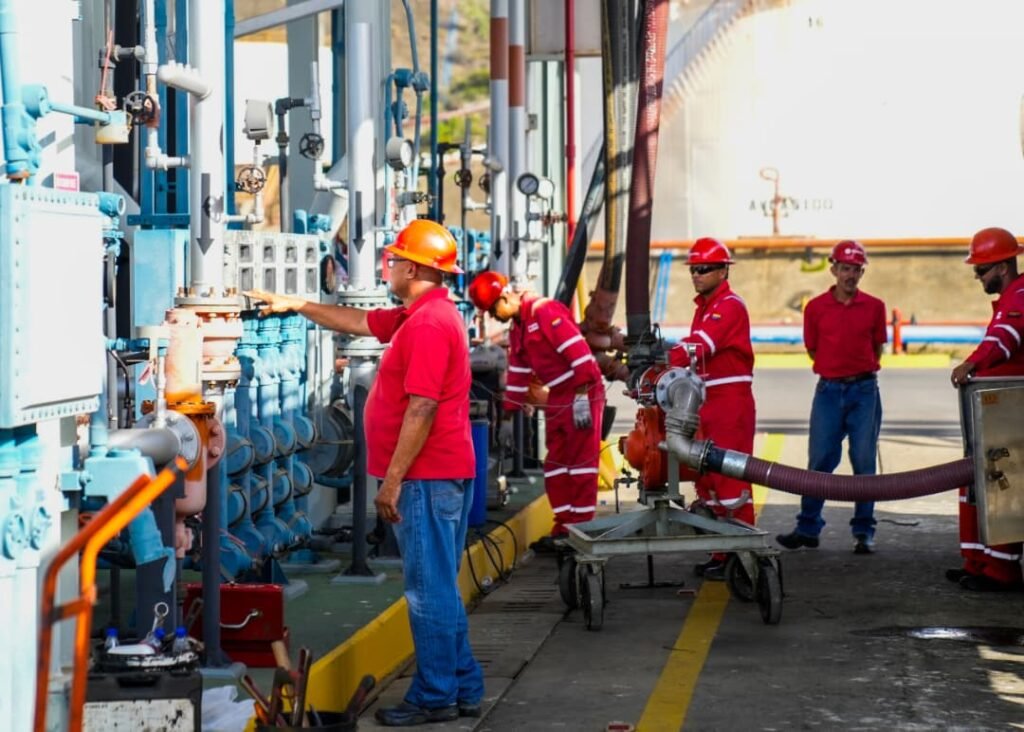
Cardón is the country’s second-largest refinery by installed capacity. Photo: Ministry of Hydrocarbons.
Guacamaya, October 7, 2026. On October 6 at 3:25 pm, a leak occurred in the natural gas line feeding the boilers of the Cardón Refinery, generating a fire and forcing an emergency shutdown of its operations.
The fire was extinguished in under an hour by emergency personnel and, fortunately, no injuries or fatalities were reported.
Even so, the event follows a high frequency of accidents in the Venezuelan oil industry, marked by a lack of preventive maintenance, the loss of qualified personnel, and continuous electrical failures.
Cardón and the Paraguaná Refining Complex
Cardón is part of the Paraguaná Refining Complex (CRP), the second-largest refining complex in the world, with an installed capacity of 955,000 barrels per day. The first is Jamnagar in India, operated by Reliance Industries—today a major buyer of Venezuelan crude—and the third, Ulsan, is located in South Korea.
The CRP also includes the Amuay refinery, which shares the Paraguaná Peninsula with Cardón, and the Bajo Grande refinery in San Francisco, Zulia.
The complex is key to the production of fuels such as gasoline and diesel for the domestic market, as well as for the export of hydrocarbons through the Amuay terminal. However, it operates at approximately 30% of its installed capacity, constrained by electrical failures and other operational issues.
Could the Fuel Supply Be Affected?
PDVSA assured in its statement that the National Refining System has sufficient inventories to guarantee fuel distribution across the country.
However, due to the prior fragility of the system, structural shutdowns of this nature usually put short-term pressure on the domestic supply of gasoline and diesel.
Cardón is the second-largest refinery in Venezuela behind Amuay, with an installed capacity of 310,000 barrels per day. However, sources report that prior to the accident, it was operating at only 16%, processing around 50,000 barrels per day.
From Amuay to Muscar
One of the most widely known oil accidents is the 2012 Amuay tragedy. A gas leak explosion caused more than 40 deaths, making it the most severe accident in Venezuela’s history.
In recent years, Cardón has recorded multiple minor fires in its distillation plants and in the Fluid Catalytic Cracking (FCC) unit, in addition to constant hydrocarbon spills in the Gulf of Venezuela.
Major fires occurred at the Cardón facility itself in October and July 2020, as well as in May and December 2022. Explosions took place at Amuay in December 2020 and June 2022—the latter triggered by a power outage that destabilized the complex’s compression systems.
On November 11, 2024, a major wake-up call took place: an explosion at the Muscar Operational Complex, the hub for receiving and distributing associated gas from oil extraction in northern Monagas.
The explosion at Muscar affected two-thirds of the gas consumed in Venezuela. In the days following, natural gas production fell by 20% and propane production dropped by 97%, demonstrating a major vulnerability in the supply chain.
The government of Nicolás Maduro blamed the explosion on María Corina Machado and American mercenary Erik Prince. In November 2024, one of the most significant periods of repression in Venezuelan history was ongoing, while the opposition leader promised the return of Edmundo González.
Prince, for his part, had launched a fundraising campaign two months earlier for an alleged operation to free Venezuela, though he later shifted his focus away from the country without the destination of the donations ever being made public.
The executive vice president and Minister of Petroleum at the time, Delcy Rodríguez, announced that 11 people were arrested following the incident. However, the outcome of the case remains unknown, with no judicial sentences or independent technical reports on the explosion ever announced.
Oil Infrastructure and National Security
Accidents across Venezuelan hydrocarbon infrastructure have increased in frequency over the last decade due to a lack of investment and electrical power failures.
It is important to note that these affect not just a simple economic activity, but the very backbone of the country. Fires like the one at Cardón can impact the supply of gasoline and diesel, as well as oil exports, which are vital to Venezuela’s foreign currency revenue.
For any government, it is therefore crucial to invest not only in the recovery of these refineries and other facilities, but also in their proper maintenance and security, given their strategic role.