
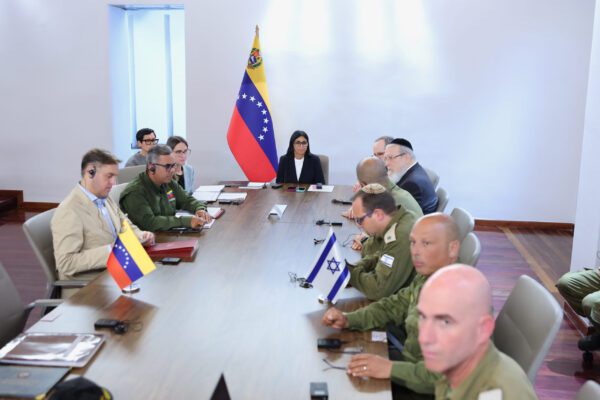
Shidduch: How Israel Is Returning to Venezuela
Israel is sending an initial official civil-military delegation amidst a loss of international legitimacy.


In this section, we invite experts, as well as political and economic actors, in politics of all colours, to contribute to debate and objective analysis in Venezuela.
Israel is sending an initial official civil-military delegation amidst a loss of international legitimacy.
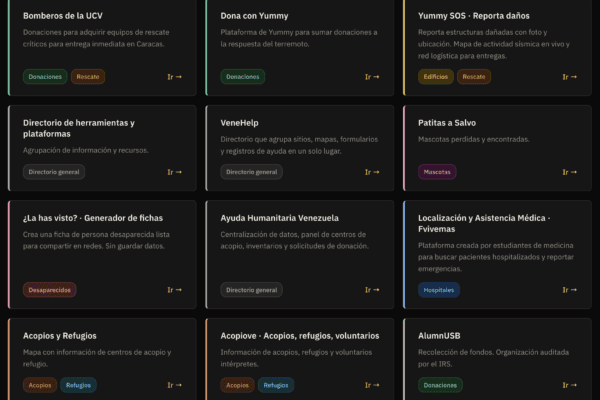
Among the responses that self-organized citizens have given to the emergency caused by the two earthquakes on June 24, one of the most impressive has been the co-creation of nearly 130 digital applications.
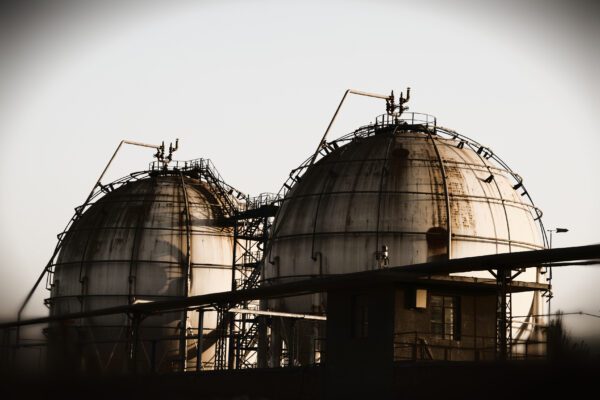
Today, the demand of one country is beginning to play an equally important role in the oil market: China.
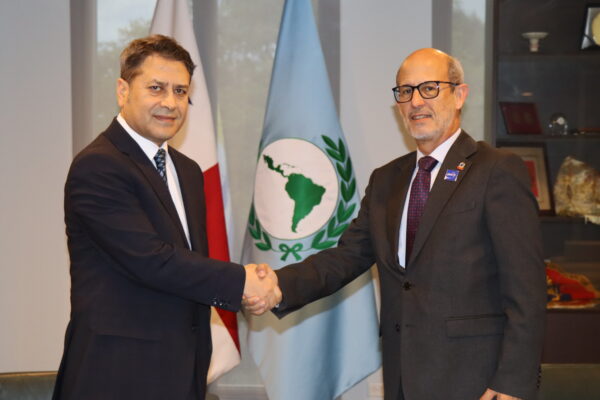
Interview with Turkish MP Ali Şahin, by Melike Hocaoglu.

Hoaxes and fake news can be as destructive as the earthquake itself, causing unnecessary displacement, hindering rescue efforts, and increasing human suffering.
Political diatribes and military operations have become million-dollar financial assets on platforms like Polymarket and Kalshi.
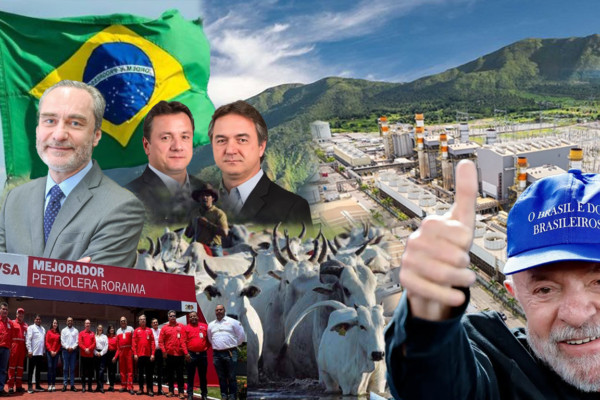
Brazilian businesses are exploring investment opportunities in Venezuela in key sectors such as energy, agribusiness, automotive and health.

After January 3, an opportunity opened up in Venezuela to carry out one of the largest sovereign debt restructurings.

Venezuela’s National Assembly this week advanced the approval of the Law for the Promotion and Development of Venezuelan Cocoa.
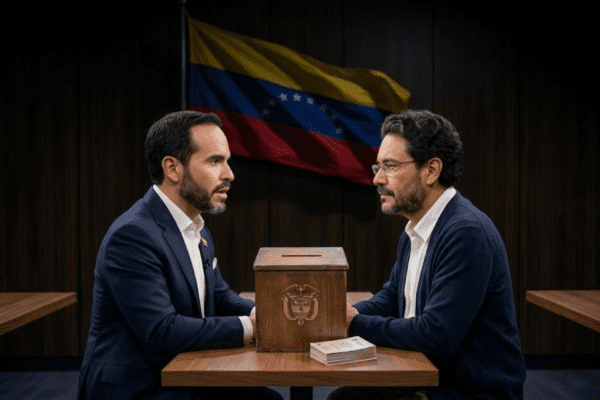
The first round of the presidential election in Colombia has left a country divided into two ideological blocs.